How we represent buyers
Buying commercial property in a smaller market is a sourcing problem first, an underwriting problem second and a calendar problem third. We take all three off your desk: we find the property, listed or not; we test it against your requirement with our own numbers rather than the seller’s; we negotiate the letter of intent and the contract with your attorney; and we manage the due-diligence calendar through closing. Our work is sales and acquisitions only, so the advice you get on a property is not tied to managing it afterward.
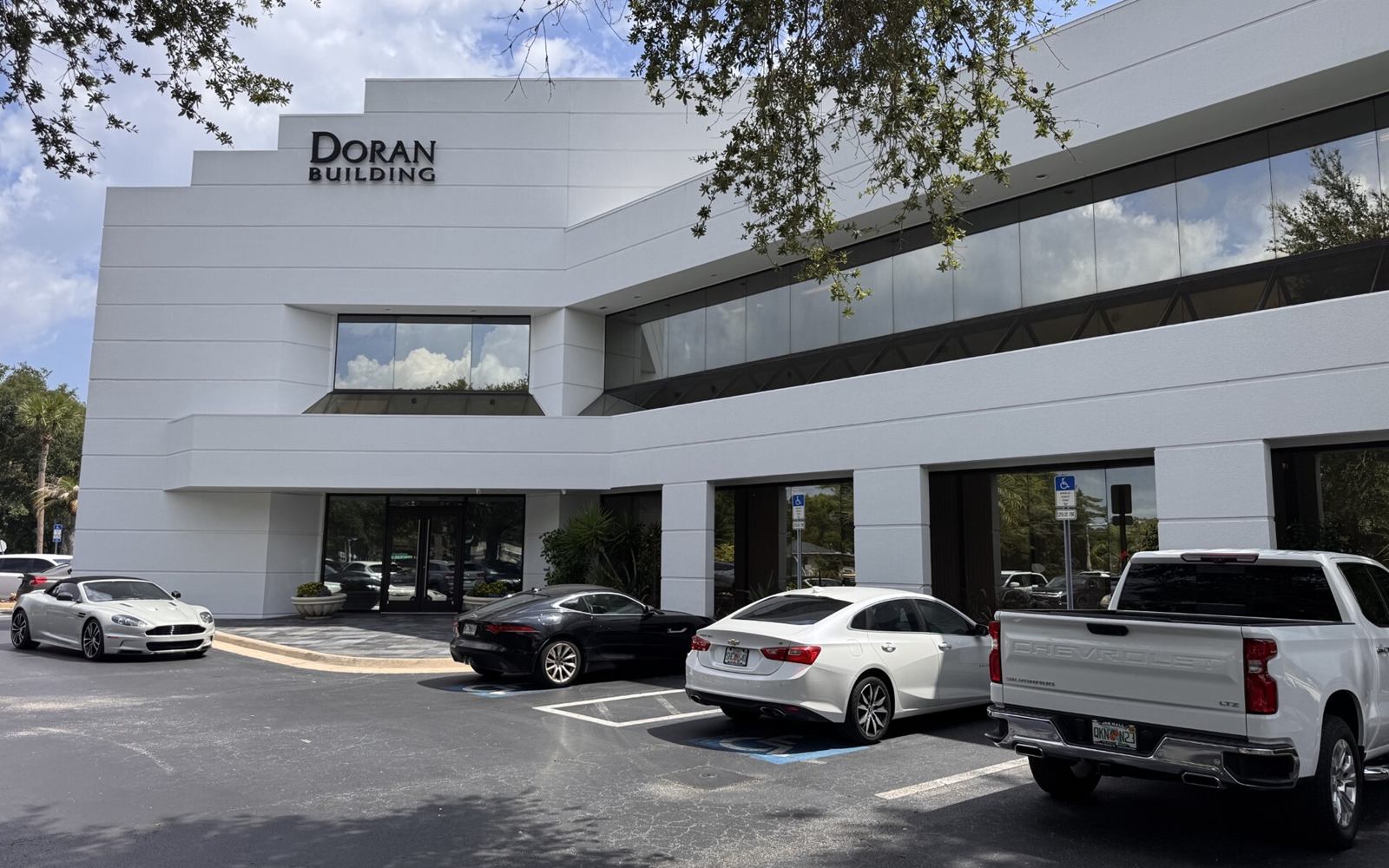
The principals bring two different backgrounds to the buy side. Before joining the brokerage, Drake Dickerson spent nearly five years in land acquisition for national homebuilders, underwriting sites the way a land committee does. Frank Molnar has more than 40 years in Central Florida; in 2025 he represented the buyer of 149 S. Ridgewood Ave, an 8-story office building in downtown Daytona Beach, at $6.5M.
Who we represent
-
Investors and exchange buyers
Private investors and partnerships buying income property in Central Florida, and 1031 exchangers who have sold land or a management-intensive asset and need replacement property identified inside 45 days and closed inside 180.
-
Owner-users
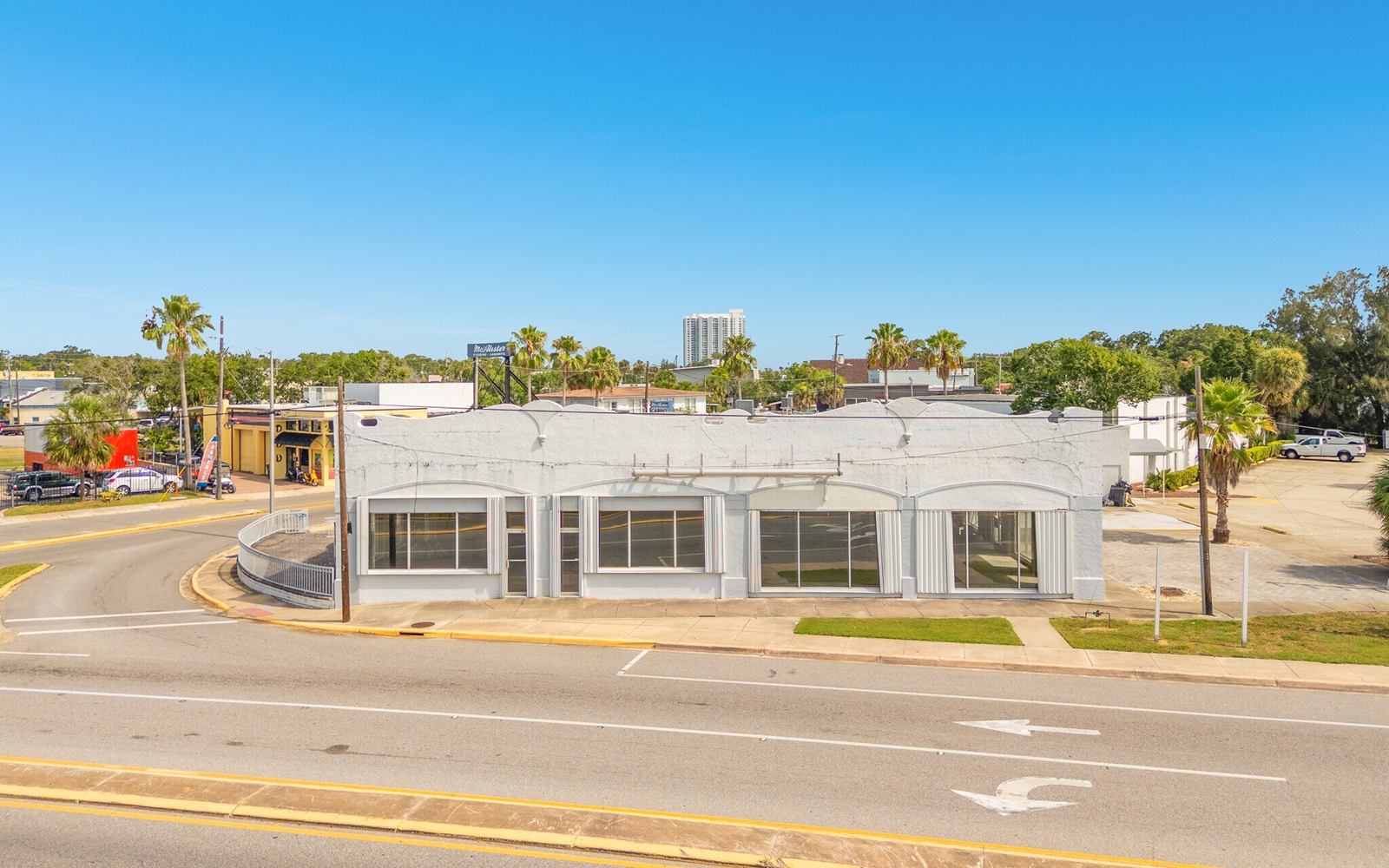
Businesses, practices and operators buying the building or site they will occupy: small-bay industrial, a freestanding retail building, an office building or a medical suite. The analysis starts with the operation, then the real estate, then the numbers.
How we work
- Define the requirement Property type, size, markets, price range, yield or use requirements, capital, financing and timing — including any exchange deadlines. We put it in writing so every property is measured against the same page.
- Source Listed inventory on every platform, plus direct outreach to the owners of properties that fit and are not on the market. You see a short list with our notes, not a feed.
- Underwrite Income and expenses, rent roll, comparable sales, replacement cost, zoning and future land use, capital needs, insurance and property-tax reassessment at sale. For owner-users: power, loading, parking, access and room to expand.
- Offer and negotiate Letter of intent, then the purchase contract with your attorney: price, deposit, inspection and financing periods, and the contingencies that protect you if diligence turns something up.
- Coordinate due diligence Survey, title, Phase I environmental, building and roof inspections, zoning verification and lender requirements, run against a calendar we manage so no contingency date is missed.
- Close Final walk-through, closing statement review with your attorney, and the hand-off of keys, documents and the items that need attention in the first weeks of ownership.
What we analyze
- Income, expenses and the trailing twelve months, normalized for your ownership
- Rent roll: remaining term, escalations and the credit behind each rent stream
- Comparable sales and current cap rates for the property type and submarket
- Replacement cost and the land value under the building
- Zoning, future land use and whether your intended use is permitted as of right
- Building systems, roof, structure and deferred capital items
- Insurance, flood zone and property-tax reassessment at sale
- Access, frontage, parking, loading and power for owner-user requirements
- Financing terms and their effect on the closing calendar
- 1031 identification and exchange deadlines, alongside your qualified intermediary and CPA
Questions we hear
Can you find property that isn’t listed?
Yes. Off-market sourcing is direct outreach to the owners of properties that fit your requirement, on your behalf and under your instructions on confidentiality. In a small market, property that fits a specific requirement often never reaches a listing platform, particularly single-tenant net-lease buildings and owner-user industrial. We run the listed inventory and the direct outreach at the same time.
I’m in a 1031 exchange. How fast can you move?
Ideally we start before your relinquished property closes. The 45-day identification period is short, so we build the requirement and begin sourcing while your sale is still under contract, and we coordinate the identification and the closing calendar with your qualified intermediary. We are not a qualified intermediary and cannot hold exchange funds; how your exchange is structured is a question for your intermediary and CPA.
What does buyer representation cost?
Compensation is set out in a written buyer representation agreement before we start, so you know who pays what before we make the first call on your behalf. Ask us and we will walk through it for your situation.
What if the property I want is one you have listed?
Florida law presumes that a real estate licensee works as a transaction broker unless a different relationship is established in writing (s. 475.278, Fla. Stat.). If a property we market for a seller fits your requirement, we tell you at the outset and explain in writing how we would work with both sides before you share anything confidential.
Do you work with owner-users buying a first building?
Yes. Much of the small-bay industrial, retail and office property in Volusia and Flagler trades to businesses that would rather own than rent, and the analysis is different from an investor’s: it starts with the operation, then the real estate, then the numbers. We also work to your lender’s timeline, which for an owner-occupied purchase may include an SBA-backed loan with its own appraisal and occupancy requirements.
Educational information only — not tax, legal or investment advice. Lifestyle Group and Oceans Commercial are not qualified intermediaries and do not offer or sell securities. Consult your own tax advisor, attorney and qualified intermediary about any exchange.